
The Benefits of Taking a Blood Test to Test for Nutritional Deficiencies

Understanding your body's nutritional status is a key step toward achieving better health and wellness. One of the most effective ways to do this is through a blood test that checks for nutritional deficiencies. In this post, I will explain why these tests are valuable, how they work, and how they can help you maintain an active, pain-free lifestyle.
Why Nutritional Deficiencies Matter for Your Health
Nutritional deficiencies occur when your body lacks essential vitamins, minerals, or other nutrients needed for proper function. These deficiencies can lead to a variety of health issues, including fatigue, weakened immunity, bone pain, and muscle weakness. If left unaddressed, they may contribute to chronic conditions that affect your quality of life.
For example, a lack of vitamin D can cause bone pain and muscle weakness, while insufficient iron levels may lead to anemia and fatigue. Identifying these gaps early allows you to take targeted action to restore balance and improve your overall wellness.
How Blood Tests Identify Nutritional Deficiencies
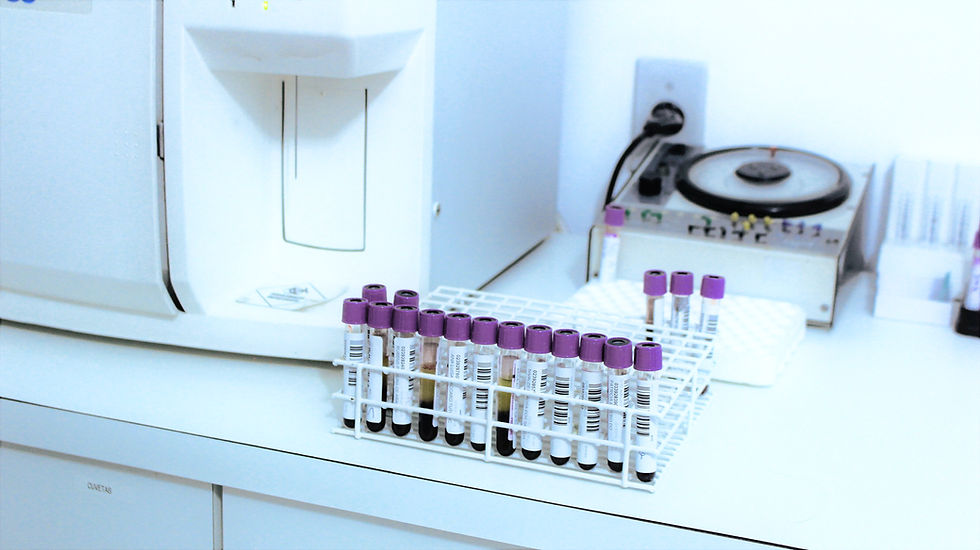
Blood tests provide a clear picture of your nutrient levels by measuring specific markers in your bloodstream. These tests are straightforward and minimally invasive, requiring only a small blood sample. The results can reveal deficiencies in vitamins such as B12, D, and folate, as well as minerals like iron, calcium, and magnesium.
By analyzing these markers, healthcare providers can pinpoint exactly which nutrients you need to focus on. This targeted approach is more effective than guessing or self-supplementing without guidance.
What to Expect from Functional Lab Testing
Functional lab testing goes beyond standard blood tests by offering a more comprehensive look at your body's function and nutrient status. According to Fullscript's beginner's guide to functional lab testing, these tests can assess how well your body absorbs and utilizes nutrients, detect inflammation, and identify underlying causes of symptoms.
This type of testing is especially useful if you experience unexplained pain, fatigue, or digestive issues. It helps create a personalized plan that addresses your unique needs, rather than a one-size-fits-all solution.
How Nutritional Testing Supports a Holistic Wellness Plan
Once you know your nutritional status, you can work with healthcare professionals to develop a plan that includes diet, supplements, and lifestyle changes. Here at Comprehensive Chiropractic Center, we are able to work with you and your specific needs. For example, if your blood test shows low magnesium, you might increase your intake of leafy greens or take a supplement. If vitamin D is low, safe sun exposure or supplementation can be recommended.
This personalized approach supports your body's natural healing processes and complements other treatments such as chiropractic care and exercise. It helps you build a foundation for long-term health and pain relief.

Taking the Next Step Toward Better Health
If you suspect you might have nutritional deficiencies or want to optimize your wellness, consider scheduling a blood test. These tests provide valuable insights that empower you to make informed decisions about your health. Remember, addressing nutritional gaps is a proactive way to support your body's function and reduce pain.
By combining nutritional testing with a holistic approach that includes chiropractic care and personalized exercise, you can move closer to a pain-free and active lifestyle. This integrated strategy is designed to help you feel your best every day.
Taking a blood test to test for nutritional deficiencies is a practical and effective step toward understanding your body's needs. It offers clear, actionable information that can guide your wellness journey. If you want to schedule lab testing, visit our Fullscript Page.
References: “Functional Medicine Lab Testing.” Fullscript, 2025, fullscript.com/blog/a-beginners-guide-to-functional-lab-testing.
Harrington, Dominic J., editor. Laboratory Assessment of Vitamin Status. Academic Press, an imprint of Elsevier, 2019.
Shenkin, Alan et al. “About micronutrient shortage and definition of deficiency.” Nutrition in clinical practice : official publication of the American Society for Parenteral and Enteral Nutrition vol. 37,4 (2022): 966-967. doi:10.1002/ncp.10875
“Serum and Red Blood Cell Folate Concentrations for Assessing Folate Status in Populations.” Www.who.int, www.who.int/publications/i/item/WHO-NMH-NHD-EPG-15.01.
Berger, Mette M., et al. “Pitfalls in the Interpretation of Blood Tests Used to Assess and Monitor Micronutrient Nutrition Status.” Nutrition in Clinical Practice, vol. 38, no. 1, 5 Nov. 2022, pp. 56–69, https://doi.org/10.1002/ncp.10924.



Comments